
Roswell Previous Residents Across the Record Eras
The strongest address history uses sources that overlap. Current parcel data supplies a starting identity; deeds carry the land backward; directories, census schedules, and permits test who occupied or changed the place. The published ranges below are collection-wide. They do not promise that Roswell appears in every volume.
| Record source | Years available | Repository | Address-history evidence |
|---|---|---|---|
| Recorded deeds | Historic county books to present; online cutoff not stated | Fulton Clerk, GSCCCA, and clerk counter | Grantor, grantee, legal description, and recording date |
| City directories | 1859/60-1991 metropolitan run | Fulton Special Collections | Resident, spouse, occupation, and address where covered |
| Haines criss-cross directories | 1946-2016/17 | Fulton Special Collections | House-number-to-name sequence and nearby listings |
| Federal census | Public schedules through 1950 | NARA and library databases | Household, age, birthplace, occupation, and tenure |
| Roswell permit files | Current HUB plus legacy files; starting year unconfirmed | City portal or open-records request | Construction, alterations, applicant, and contractor |
| Parcel and tax roll | Current roll with portal history fields | Fulton assessor and tax commissioner | Owner, situs, mailing address, values, and sale clues |
| Sanborn maps | No official Roswell year run confirmed | Library of Congress, UGA, and library map collections | Potential footprint, use, construction, and street-name evidence |
No online hit is not proof that no record exists. Bound volumes, microfilm, legacy permit records, and clerk indexes remain part of the trail.
Reverse the Fulton Deed Chain for Past Roswell Owners
Begin in the Fulton assessor search by location address. Copy the parcel ID, owner, situs address, owner mailing address, subdivision or lot information, and cited sale document. The mailing line receives the tax notice and can point somewhere else; it does not establish residence at the parcel.
- Open the current acquisition deed from the assessor citation or search the present owner as grantee in the GSCCCA real-estate index.
- Record the seller, buyer, recording date, instrument or book and page, and exact legal description.
- Search the seller as a grantee in an earlier date range, then repeat the same capture for that transfer.
- When electronic coverage ends, continue the grantor/grantee sequence in clerk index books or microfilm rather than searching only the street address.
- Compare every link by legal description so a renamed road or changed house number does not join the wrong parcel.
- Grantor
- The party conveying an interest in the recorded instrument.
- Grantee
- The party receiving the recorded interest.
- Chain of title
- The linked sequence of recorded transfers affecting the same land.
- Legal description
- The subdivision lot, block, plat reference, or metes-and-bounds language that identifies land beyond its postal label.
A complete chain identifies owners, not automatically previous residents. Homestead status can support owner-occupancy, but cannot name spouses, children, renters, or other members of a household.
Where Roswell's Recorded Ownership Trail Lives
Fulton County's Clerk of Superior and Magistrate Courts is also the deed recorder. Search access runs through the statewide GSCCCA real-estate system, while official copies and older material remain the clerk's responsibility. The Deeds and Records service and Records and Real Estate Services pages explain the local route; the counter is the fallback when a cited book is not imaged.
Review the Georgia real-estate index before interpreting a name match.
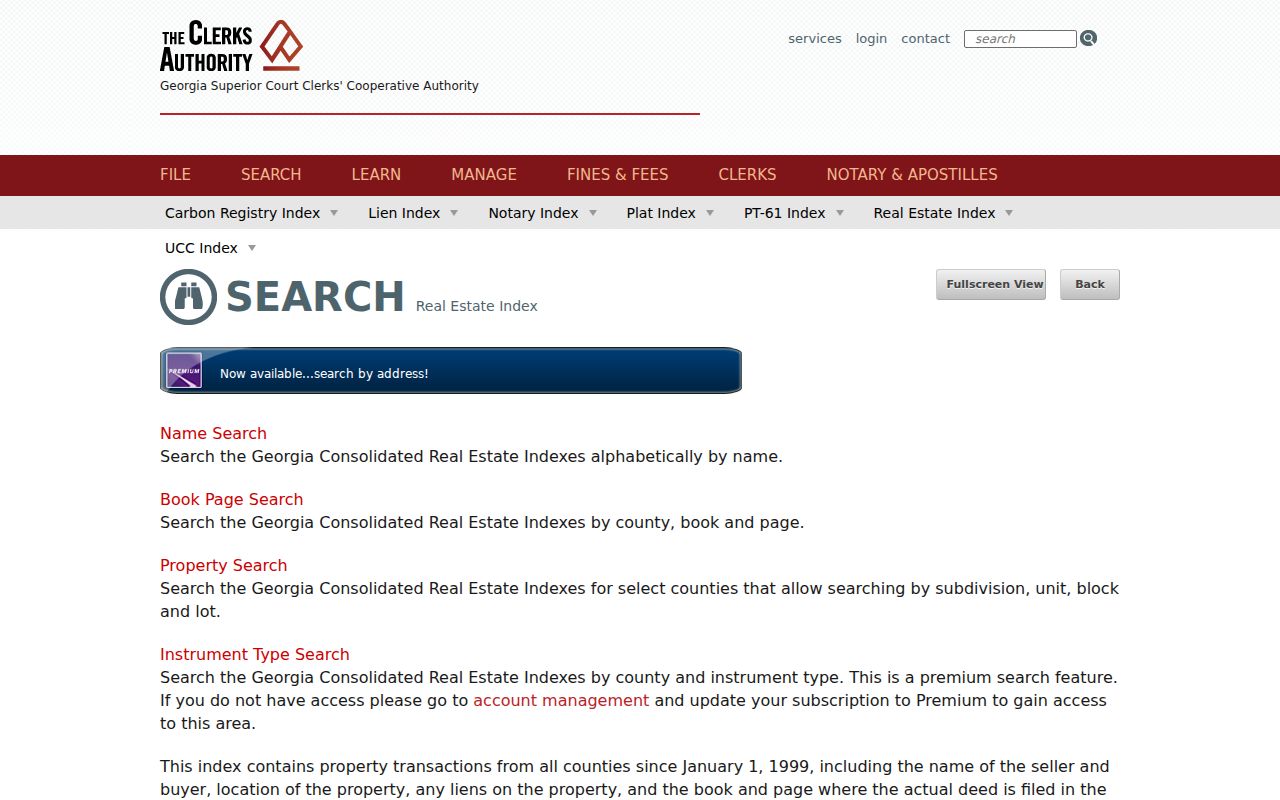
The index supplies the bridge from a current parcel to recorded parties, but the instrument and legal description are what keep the chain tied to the correct property.
The Fulton records and real-estate service provides the county access context.
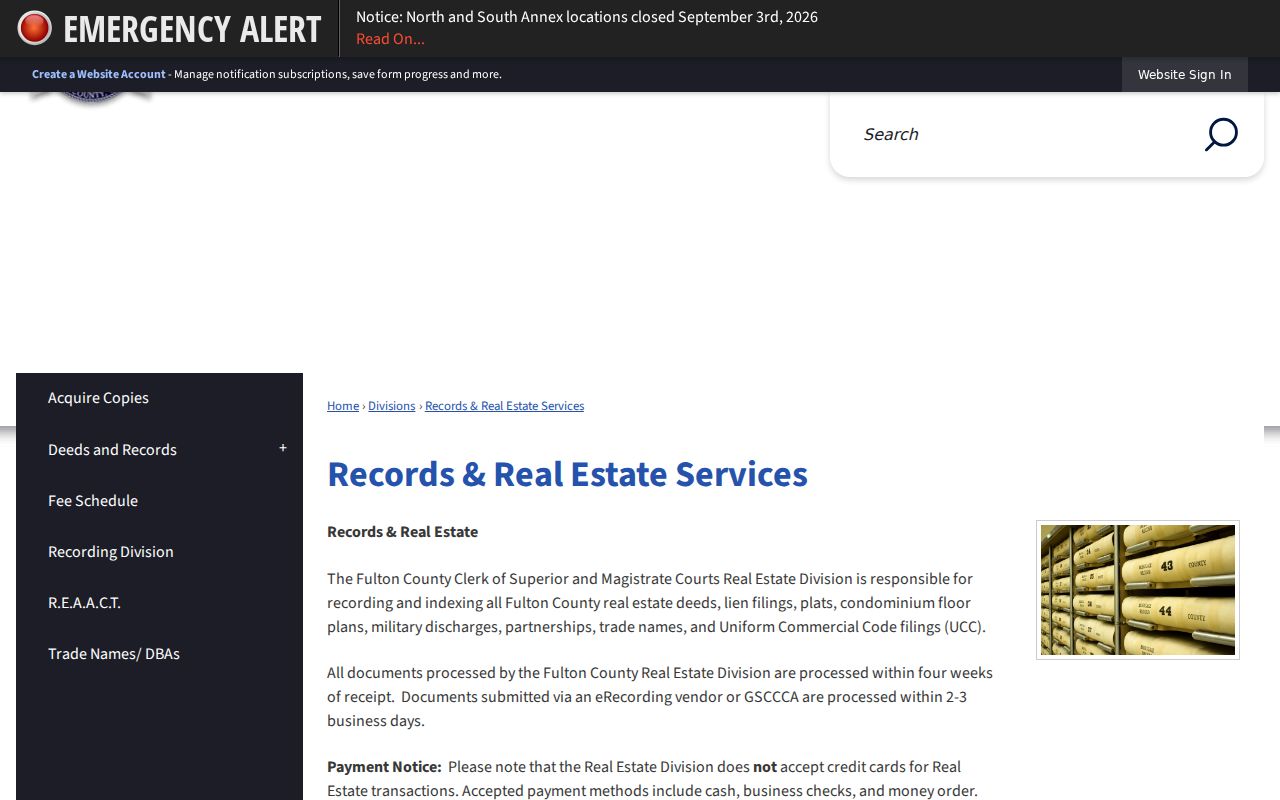
Use the clerk route for index assistance, copies, and the point where a screen search must turn into a counter or book search.
Match Roswell Past Residents to Directories and Census
Once transfers establish the ownership intervals, address-based publications test who lived here before. Haines criss-cross volumes begin with the street and house number, while alphabetic city directories can add spouse and occupation information. The full holdings and entry conventions belong on the Roswell city directory page; here, each entry is evidence placed on an address timeline.
- Choose the criss-cross volume closest to a deed or permit event and photograph or transcribe the target house plus neighboring numbers.
- Find the named person in the alphabetic section and preserve spelling, spouse notation, occupation, and address.
- Check the volume immediately before and after to bracket arrival or departure without assigning a false exact date.
- Pair 1950-or-earlier directory evidence with the corresponding public census household, checking street, house number, names, ages, and tenure.
- Record conflicts instead of merging them; publication lead time and enumeration dates are different snapshots.
Directories can omit people and lag a move. Census schedules can contain transcription errors. Two compatible snapshots are better evidence than either alone, especially when researching previous residents rather than merely title holders.
Roswell Residence Files Fill the Paper Gaps
The joint Roswell Historical Society and City Research Library & Archives has an unusually direct house-history resource: Residence Vertical Files arranged by residence name or street address. Its broader holdings run from the 1840s to the present and include more than 1,000 reference volumes, more than 3,000 photographs, manuscripts, family papers, maps, organization records, and extensive Roswell Herald and North Fulton Herald material from the 1940s through 1960s.
Access is by appointment Wednesday and Friday, 10 a.m. to 2 p.m., at the Cultural Arts Center, 950 Forrest Street, second floor. Contact archives@roswellgov.com or 770-594-6405. Digitization is limited, and reproduction or use fees depend on condition, so send the normalized address, alternate street name, approximate era, and known surname before visiting.
Family and residence files are lead collections, not certified ownership evidence. Attach useful photographs, clippings, and names to the deed-and-directory timeline, then verify factual claims in the responsible public record.
Date Changes at a Roswell Address With Permits
Roswell permit files can date construction, additions, and major systems and may name an owner, applicant, or contractor. Building footprints, parcel attributes, and historical imagery can help show when the physical site changed. None of those names alone establishes who slept at the address, but a dated alteration can explain a directory gap, split unit, or sudden change in how a property appears.
The city is migrating active records into a Permitting & Licensing HUB. Older and current records may therefore sit in different views, and staff association or a written city open-records request is the documented fallback. Ask for an existing permit file by address, parcel ID, date range, and permit type; Georgia agencies need not create a custom report.
Practical note. Keep the permit chronology in a separate column from owners and occupants. It prevents an applicant or contractor from being mistaken for a past resident.
The 1932 Roswell County Shift Changes the Search
Roswell remained in Cobb County until annexation into Fulton in 1932. A pre-1932 deed, tax, probate, or court trail may therefore be catalogued under Cobb rather than Fulton. Milton County matters to adjacent north-Fulton communities, but should not replace Roswell's documented Cobb provenance. Still earlier land questions can lead to Cherokee land-lottery and state records.
Survival is uneven. Cobb civil archives were lost in 1864 during attempted removal ahead of Federal troops. Fulton deed books B, F, and H and mortgage book E were destroyed after being thrown into a courthouse well around 1880. Those facts explain specific holes, not the disappearance of every record from an era. Georgia Archives and FamilySearch hold microfilm of nearly all bound county records through at least 1900, while the Archives has nearly complete original county tax digests from about 1872 forward.
Close a Previous-Resident Trail With Probate and Obituaries
When a named owner or occupant dies, probate estates, public notices, and obituaries can connect that person to heirs, relatives, organizations, and later places. Search with the exact name plus known address and date range, then confirm an estate in the relevant probate court. An obituary is a lead because family-submitted details and online copies can be incomplete.
Roswell local histories and newspaper files add mill-community, church, civic, and family context. Use the narrative to generate surnames and associations, then return to deeds, census schedules, and probate files for verification. This is especially useful around historic Roswell, where mill-family and boarding patterns differ from later suburban parcel ownership.
Georgia eCertification supports electronic requests for available certified or plain clerk copies.
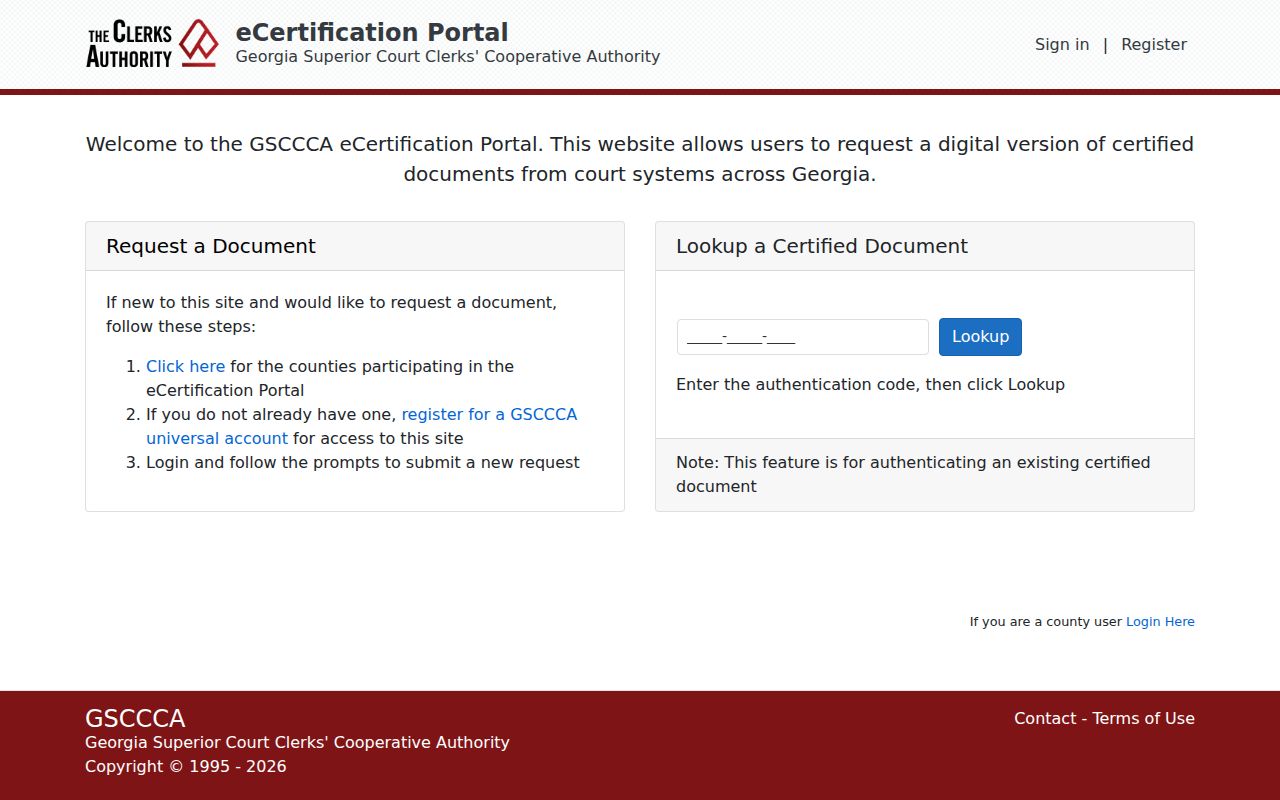
A secure copy can settle a case number or recorded fact that a directory, clipping, or portal index only suggested.
Plan for Fulton Copies, Fees, and Counter Research
Before ordering, use the Fulton Deeds and Records page to identify the responsible recording service.
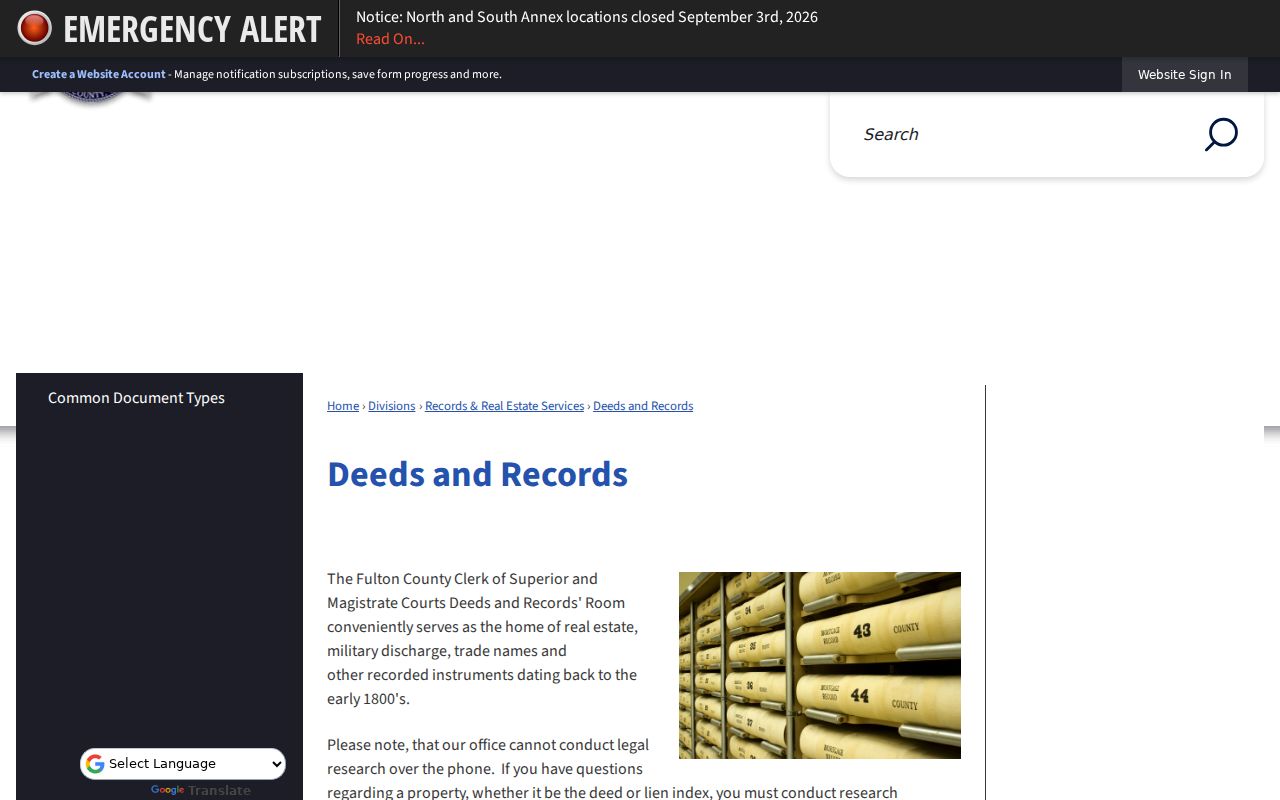
This county page is the practical handoff from a statewide index lead to local record access and copy questions.
Check the current Fulton Clerk fee schedule before submitting a copy request.
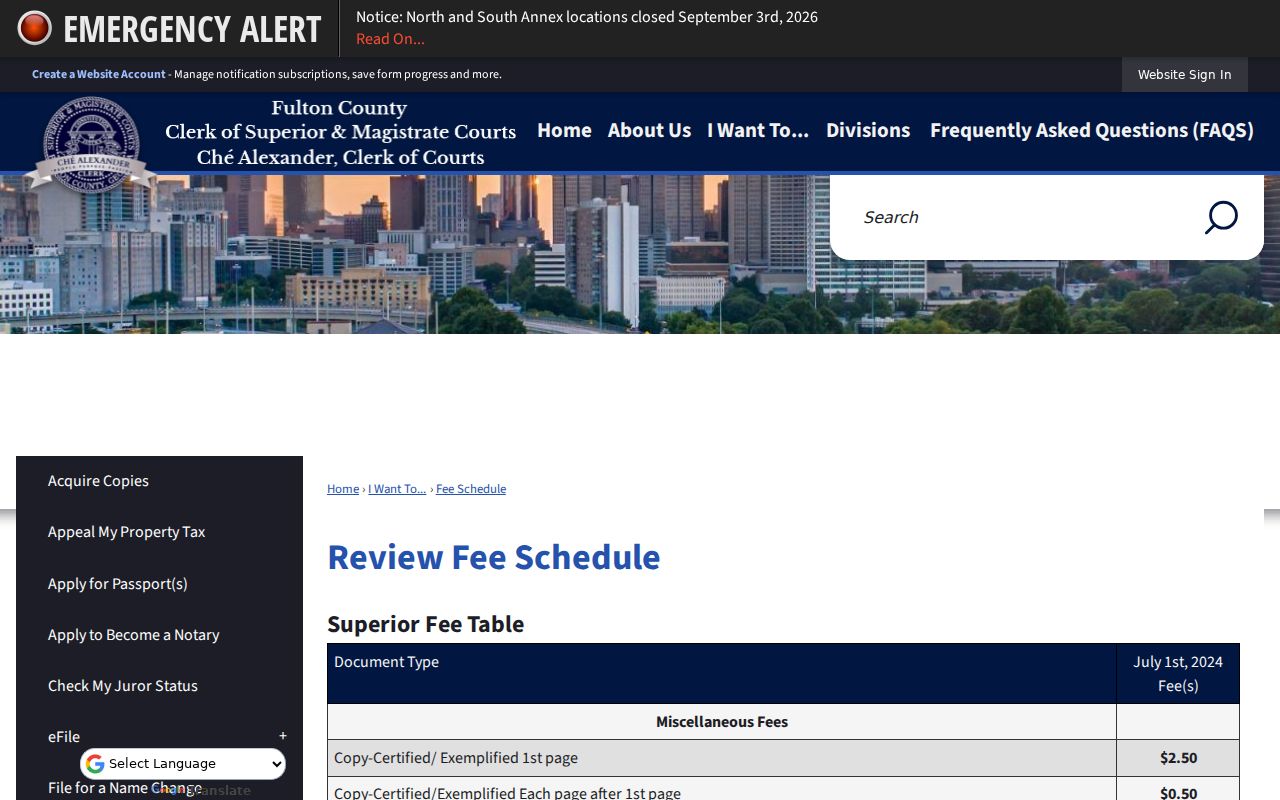
Record the quoted per-page and certification charge in the project notes because fees can change after publication.
If an address history leads to a federal case, inspect PACER only after confirming the likely Northern District of Georgia court and a party name.
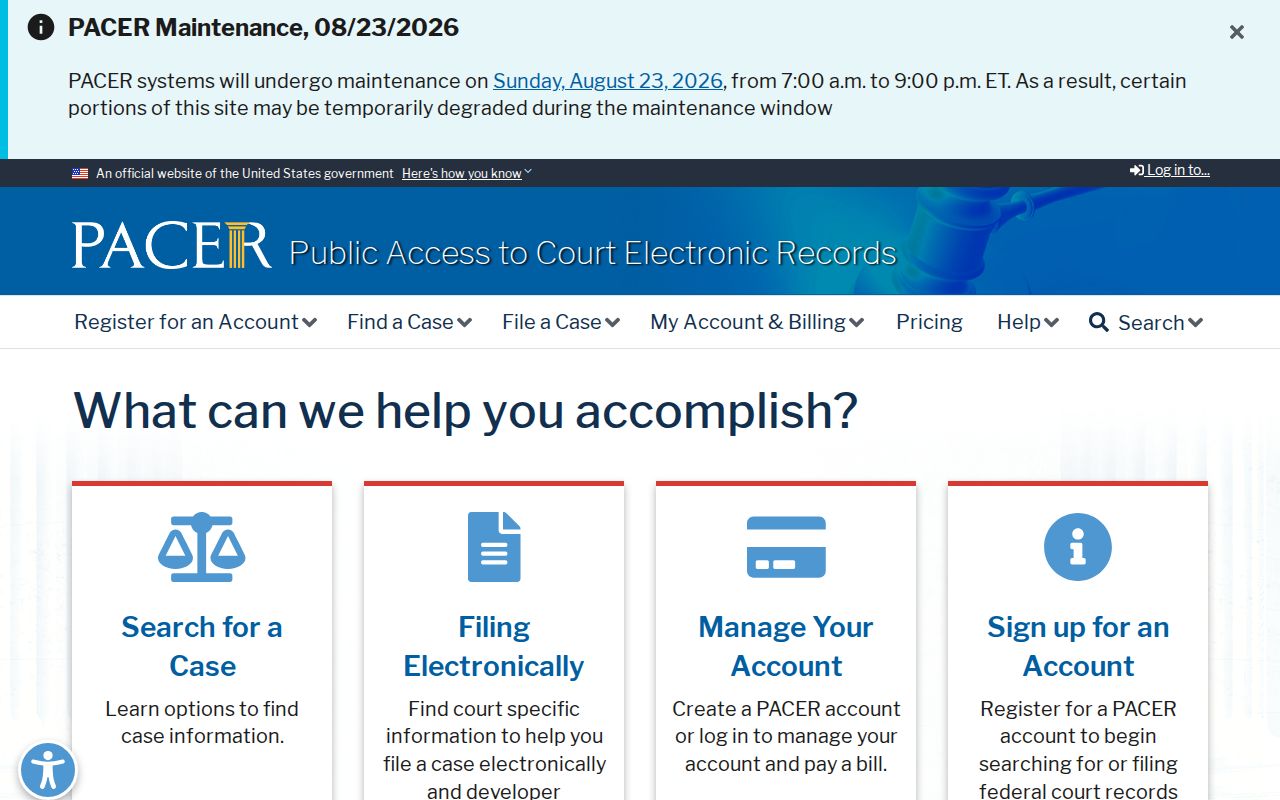
A PACER docket is a separate court lead, not proof of residence or a substitute for the parcel, deed, and household chronology.
Keep Roswell House History Accurate and Lawful
A careful chronology labels every statement by evidence type: recorded owner, directory-listed occupant, census household member, permit applicant, or relative named in probate. It preserves uncertainty and avoids turning a probable match into an asserted identity. The same discipline protects living people whose names happen to resemble those in older records.
Lawful personal use. Research previous residents for family history, property history, preservation, or personal curiosity. Never use an address trail to watch, harass, intimidate, or harm a living person, and do not publish protected or sensitive details.
Finish by citing the repository, volume or instrument, page or image, access date, and exact address form. That compact audit trail lets another researcher reproduce the finding and correct it when a stronger source appears.