
Public Sources for a Roswell Neighbor Search
No official source is a complete household list. A parcel viewer defines the immediate geography, the assessor identifies taxable ownership, an old reverse directory offers historical occupants, and a properly requested voter file covers only registered electors whose fields may lawfully be released.
| Block-level source | What it contributes nearby | How to access it |
|---|---|---|
| Roswell GIS | Parcels, buildings, addresses, subdivision, city line, and street context | Public interactive mapping |
| Fulton assessor | Owner, mailing and situs fields, parcel characteristics, and sale clues | Free parcel search, one lot at a time |
| Haines criss-cross volumes | Historic names and businesses ordered by street and house number | Central Special Collections walk-in use |
| Authorized elector list | Permitted fields for registered electors, with protected residences suppressed | Statutory county or state request, not personal voter lookup browsing |
| Neighborhood association | Public officers, events, service area, and civic identity | City or association public pages; member rosters generally private |
Together these sources can answer who owns nearby parcels, which addresses form the visible block, and what public groups serve it. They do not prove every current occupant or personal relationship among your neighbors.
Walk From One Roswell Address to Adjacent Parcels
Roswell maintains city-limit, address, parcel, and building-footprint layers. Fulton supplies the property map and assessor attributes. Use both because a Roswell postal line and a parcel inside the incorporated city are not always the same geography.
- Normalize the address, locate it in Roswell GIS, and confirm the point sits inside the city limit.
- Zoom until parcel outlines and address points are visible, then click the target and copy its parcel ID.
- Click each touching or visibly nearby lot separately. Record parcel ID, situs, owner, and owner mailing line in separate columns.
- Follow each parcel ID into the Fulton assessor record and capture tax year, subdivision, lot or block, values, acreage, living units, and any exemption code shown.
- Mark uncertain adjacency. A visual map relationship is useful context, not a legal boundary survey.
The Fulton viewer offers Global Search, Identify Parcel, layer controls, measurement, drawing, an attribute table, coordinates, print, and historical imagery. It does not expose a named public buffer or radius control, even though the underlying service supports distance queries. For ordinary use, clicking lots one by one is the documented method.
When the question expands beyond the immediate radius, use the Roswell street directory workflow for the whole named road.
Build a Roswell Block Table Without Guessing Occupancy
A useful block table makes the evidence visible instead of collapsing it into a vague list of names. Give every selected parcel its own row, preserve the map order, and label whether the relationship came from ownership, a historic directory listing, or a lawful elector file.
| Map order | Situs address | Parcel ID | Owner on tax roll | Mailing equals situs? | Occupancy evidence |
|---|---|---|---|---|---|
| Target | Standardized address | Copy from GIS | Current roll entry | Yes, no, or unclear | State the source and date |
| Touching lot | Separate situs | Separate parcel | Current roll entry | Yes, no, or unclear | Do not infer from ownership |
| Across segment | Separate situs | Separate parcel | Current roll entry | Yes, no, or unclear | Mark as nearby, not adjacent |
The official parcel service distinguishes situs address from OwnerAddr fields and also exposes subdivision, lot, block, land-use, class, exemption, and valuation attributes. A matching mailing and situs address can support an owner-occupancy hypothesis, but even homestead information does not identify every person living there.
Georgia Voter Data Is Not a Browse-Your-Neighbors Tool
Georgia My Voter Page is designed for one elector to verify their own registration, polling place, precinct, districts, sample ballot, and related functions. Its fields include first initial, last name, county, and date of birth. It cannot be used to type a Roswell street and browse nearby registered people, and it never discloses ballot choices.
A public elector-list request is the lawful block-level route. Specify geography, fields, format, and date under O.C.G.A. §21-2-225 and applicable rules. The state order process requires prepayment, has no expedited service, and estimates about two weeks; listed products include municipal, precinct, district, county, legislative, congressional, judicial-circuit, and statewide files. Georgia does not register voters by party, and participation history does not reveal a vote.
Released data can include authorized name, residence or mailing, status, precinct or district, and participation fields. Phone numbers, Social Security numbers, driver-license numbers, full dates of birth, and protected VoteSafe addresses are excluded. O.C.G.A. §21-2-601 places restrictions on commercial use. An inactive registration is not proof that a person moved: it can result from notice and maintenance procedures and can reactivate after voting, updating, or contacting officials.
Read Older Roswell Blocks in House-Number Order
Fulton Special Collections holds Haines criss-cross directories spanning 1946 through 2016/17. Their address-first arrangement lets a researcher read a street segment in house-number order and compare listed people or businesses near the target. Metropolitan city directories spanning 1859/60 through 1991 can add alphabetic detail where Roswell is covered.
Check neighboring editions rather than treating one publication as a continuous roster. Entries are snapshots assembled before issue, can lag moves, and can omit households. When a house number disappears, consult street-name-change evidence, subdivision plats, and the parcel's legal description before concluding that your neighbors moved.
Historical boundary. Reverse-directory names describe a past block, not today's household. Keep each transcription tied to its edition year and exact printed street form.
Roswell Community Contacts Without Private Rosters
Public neighborhood, historical, and civic contacts add local identity and events to the parcel picture. They should be used as contact points, not as shortcuts into membership records. Roswell research did not locate an authoritative public neighborhood-member directory, so no household roster should be invented or implied.
| Community resource | Public contribution | Contact route |
|---|---|---|
| City neighborhood services | Public neighborhood engagement and association contacts when maintained | City of Roswell resident-services pages; verify the current page |
| Roswell Historical Society | Local property, family, photograph, and neighborhood-history referrals | 950 Forrest Street; 770-992-1665 |
| City Research Library & Archives | Residence files, maps, newspapers, photographs, and organization records | archives@roswellgov.com; 770-594-6405; appointment access |
| Public association pages | Officers, events, service area, and publicly posted civic contacts | Use the association's public channel |
HOA membership, congregation directories, block-watch contacts, utility accounts, delivery records, and renter information are voluntary or private unless a specific government-held record is independently subject to Georgia Open Records Act analysis. A chamber or public organization directory can show an affiliation, but not home residence.
Official Roswell Rolls Versus Commercial Neighbor Tools
Official records are narrow and attributable. An assessor record has a custodian, tax year, parcel key, and defined fields. A voter list comes with statutory field limits. A reverse directory carries an edition date. That provenance lets the reader distinguish ownership, registration, historical listing, and public civic contact.
Official and archival sources
Best for a specific recorded fact, reproducible citation, known coverage date, and a correction route through the assessor, clerk, elections office, library, or archives.
Commercial compilations
May merge public and nonpublic-source data, retain stale addresses, or combine people with similar names. Treat any result as an unverified lead and correct errors at the originating custodian.
Do not infer that a principal business office, registered-agent address, professional-license location, or public association role is someone's residence. For Roswell neighbors, map proximity and identity verification are separate tasks.
Protected Addresses on a Roswell Block
Georgia's VoteSafe program can suppress the residence of a qualifying registered voter. Safe at Home, launched July 1, 2026 under O.C.G.A. §§50-18-150 through -155, is broader: eligible participants can use a substitute address for state and local public records, receive mail forwarding, and protect voter registration. The program covers qualifying people whose disclosure creates a threat risk or who survived specified violence, stalking, or trafficking.
Georgia open-record rules also protect Social Security numbers, sensitive financial and medical data, full birth month and day, and specified public-servant home information. Federal motor-vehicle privacy law does not turn DMV addresses into a block directory. Redacted or missing fields are a legal boundary, not an invitation to reconstruct a protected home address from another source.
Respect Privacy in Every Roswell Neighbor Lookup
The public record can show parcels and recorded relationships, but it generally does not expose everyone in a household. Minors, nonvoters, renters, extended family members, private directory members, and protected participants may be absent. A blank field should remain blank, and an owner's mailing address should not be recast as a current resident location.
Lawful use. Use neighbor records for civic curiosity, getting oriented to a block, reconnecting appropriately, or understanding local history. Never use them to monitor, intimidate, harass, stalk, or harm another person, and never expose a confidential address.
Record the source name, access date, geography, and field meaning beside each result. That practice makes the table auditable and gives your neighbors the benefit of a correction when the underlying public record changes.
The Georgia open-government guidance explains how access and exemptions fit together.
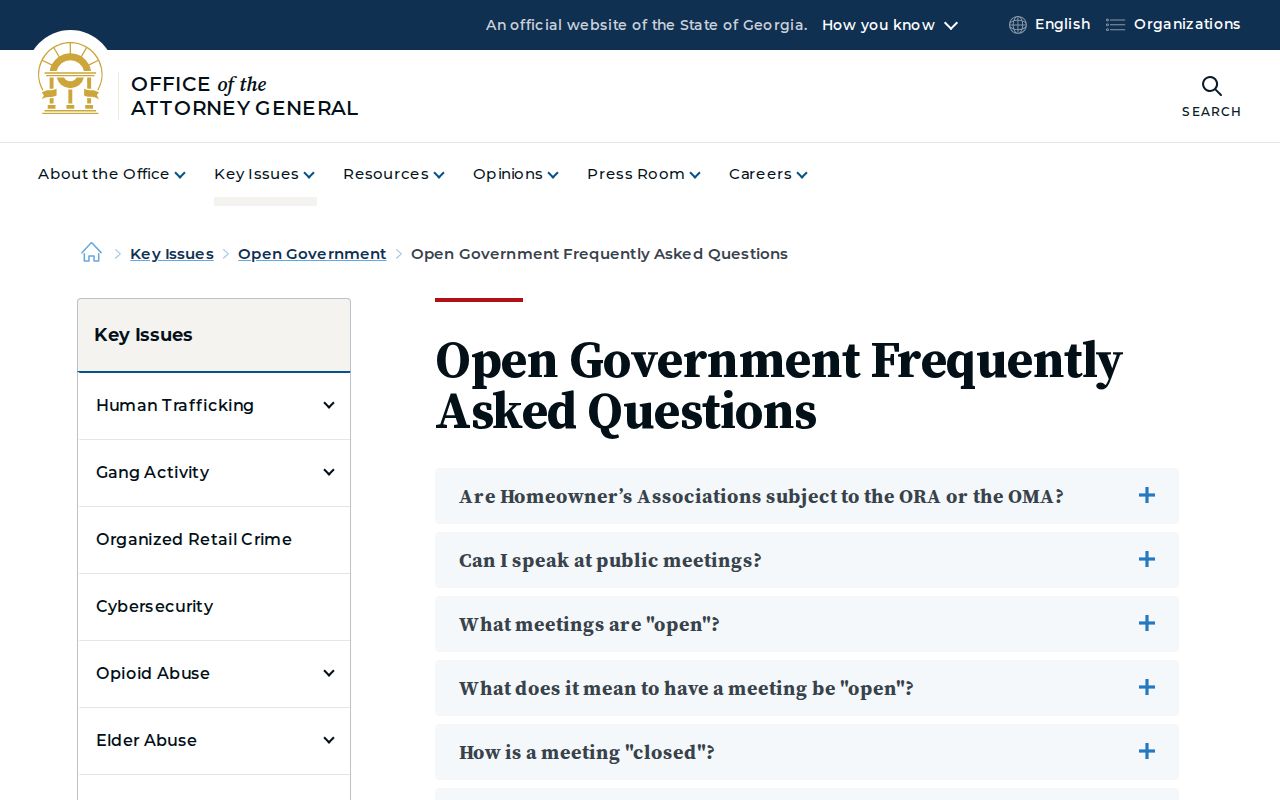
Use that state guidance to frame a defined request to the agency holding the record, while respecting every statutory withholding and redaction.